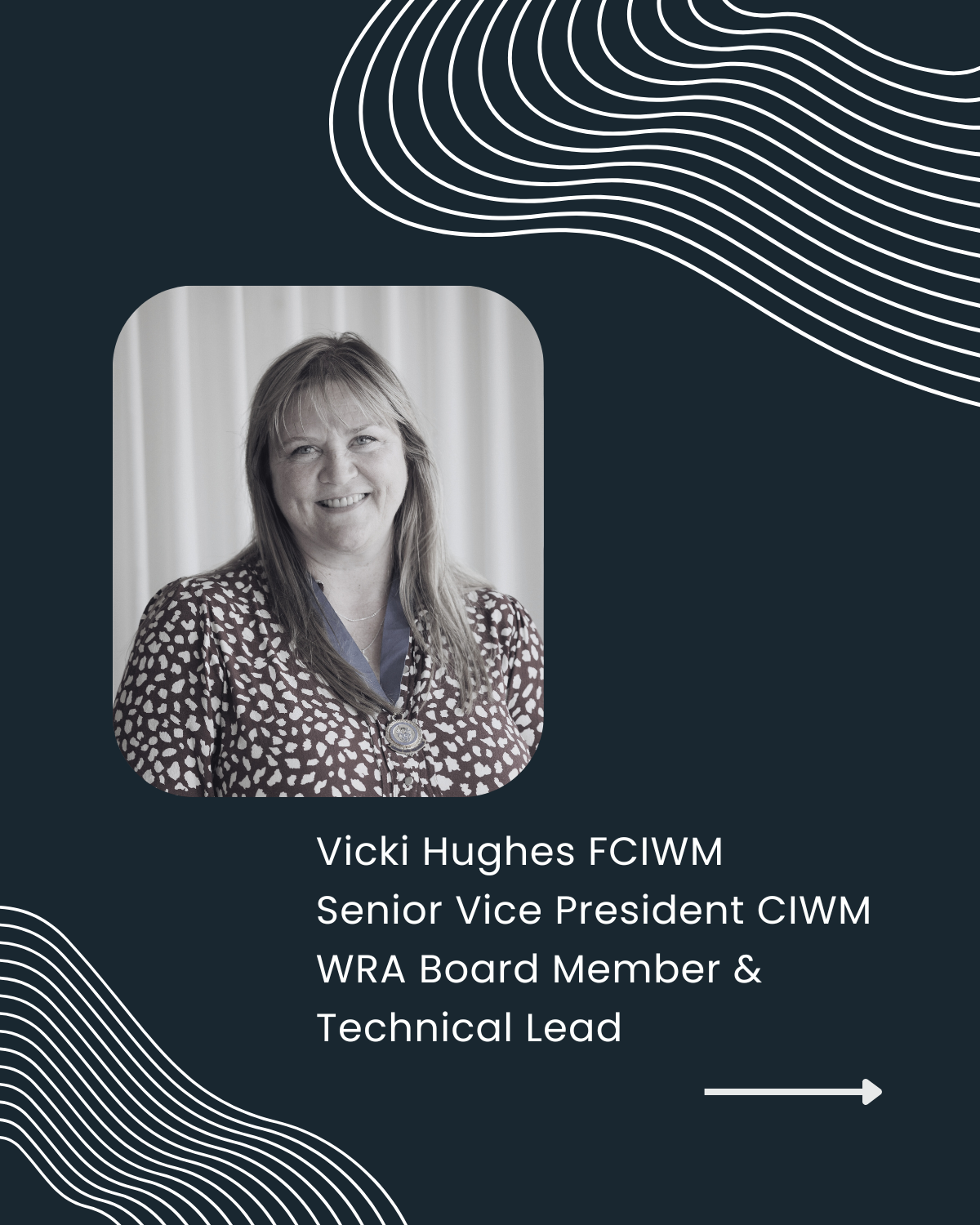
As the first female board member of the WRA, how do you see diversity and gender representation shaping the future of leadership in sustainability and the circular economy?
There has been a large shift in leadership performance in this sector over the past 10-15 years. When I first started in wood recycling 20 years ago there were very few if any other female senior managers in that sector. That’s now changed significantly in all parts of the recycling and sustainability chain.
I believe a lot of this has been possible due to a change of image away from the traditional “waste” sector which conjured up a perception of a heavy, dirty industry, to language around sustainability and recycling. As a result we have begun to attract a wider cross section of workforce generally. That means our future leaders will automatically come from a wider pool of backgrounds, both in terms of ethnicity and gender.
However, while it is heartening to see things have begun to shift in the right direction, there is still much more to do to grow and cement this change. Diversity within any workplace is crucial to ensure not only fair representation, but also to capture innovative ideas and raw talent that might otherwise be lost to other sectors. Having a diverse pool of individuals will by definition ensure more diversity in leadership which can only be a good thing.
Recycling and sustainability has huge potential to develop and will offer endless possibilities to employees looking to advance their careers. One of the focusses of my year as President of CIWM in 20026/27 will be to champion the sector as a fantastic place to work, with career opportunities at every level and openings for talent and skills from all areas of expertise.
As a senior leader influencing both strategy and technical standards, how do you balance immediate operational priorities with long-term strategic vision for the sector?
Having a long-term strategic vision is key to running the operations of any successful business. You can’t be a success in business without having foresight of what’s around the corner for your industry.
Legislation is the driver for all business so understanding and being ahead of legislation, technical issues and requirements, being able to see what’s coming down the line and participating in the discussions around those topics means you can influence the priorities and the outcomes.
We’re fortunate within the recycling and sustainability sector that we have several membership bodies who help companies and stakeholders to keep up to date with what is happening, including the CIWM, but also there are many more smaller trade bodies that focus on specific material streams. I would always encourage businesses to join the relevant member organisation for their industry so they can be involved, learn and most importantly play a role in shaping their own future. That’s the best way to balance operational priorities with strategic vision in my opinion.
The waste and recycling sector often struggles to attract senior executive talent compared to other industries. What strategies could make the sector more appealing to leaders with diverse senior-level experience?
I think this is all about the language we are using to make the sector attractive to people who may not have had experience of it in the past. We need to be able to show people how their skills can be utilised in the sustainability sector and how they can influence change.
There are a whole host of senior execs in other sectors that may really enjoy wanting to be a part of what we are doing. We need to be attracting innovators, designers, chemists, marketing and communication professionals and others.
One approach is to recognise that every company in the UK will already have a touchpoint with the waste, resource and recycling sector. We need to engage with companies at that level in the right way to showcase our sector and all that it has to offer as an employer by harnessing the interest and passion that many have to be involved in a sector that helps the environment
At the other end of the spectrum, if we want the next generation to join waste and recycling there is a feeling that the sector’s culture needs redefining. How can we address that?
To reach where we need to be as a country we need to do two things: Support our existing people who have the knowledge built up over years, and attract the next generation of innovators to look at the current issues we have from a completely different perspective.
What I mean by that is there is a host of talent already working within the waste and recycling sector. Firstly we need to cultivate that talent and support those people to think outside of their traditional roles. To allow them space to be creative and to listen to them. There are a lot of untapped ideas and innovation already within us which, if allowed to bloom, would create a new culture of inclusion, innovation and excitement.
Moving on from that, by creating this new culture, we can attract people who would bring new perspectives and skills to the sector maybe looking at AI, product design, communication strategies from a fresh view point. That in turn would create further innovation and a vibrant culture of expansion that would reach beyond the traditional boundaries of our sector and showcase further opportunities with a wider reach than before..
Is the language used within the sector a hidden barrier to entry? Could reframing it shift mindsets and make the industry more attractive to new talent and investment?
The language around our sector is crucial. We have made big strides in moving away from just using the word “waste” to recognising that we are all about sustainability, using existing resources, the circular economy and recycling.
Every part of our sector needs to be moving towards these aims from product design, reuse skills training to manufacturing using more recycled feedstocks and everything in between.
Using the right language will definitely make the sector feel more exciting and accessible and will better highlight the opportunities available for employment and investment.
What does a thriving, future-proof waste and recycling sector look like to you and how do we get there?
A thriving, future-proof waste and recycling sector will always contain an element of waste management but we should be come known as much for our innovation in design, reprocessing, reusing and repurposing expertise.
We need to become familiar as a sector and a nation with looking further up the lifecycle of products. We need innovation in up-cycling so that products we already have are given a continuous life for many years.
We need to get the right energy and focus behind us. It is all about making better use of what we are already using, whilst having the innovation for creating new sustainable processes and products going forward.
I would also like to see more people volunteering their time and sharing their skills to help the sector going forward. I would encourage people to share their knowledge in whatever their skills are, because that’s how we all learn and grow, even if it is just for one hour a month. That could make a massive difference to the sector.
There are plenty of opportunities to do this through membership bodies such as CIWM, the WRA, ESA and others. You can sit on committees, mentor people and give your time in other ways. Not only will you be helping the sector to grow, but you will also learn and develop your own skills. As a volunteer with CIWM myself I’ve learnt so much from so many people, that I wouldn’t have come into contact with in my normal day-to-day business life, so, I really can’t recommend it highly enough and for me it’s a clear case of reusing, recycling and up-skilling yourself and therefore others in the process.