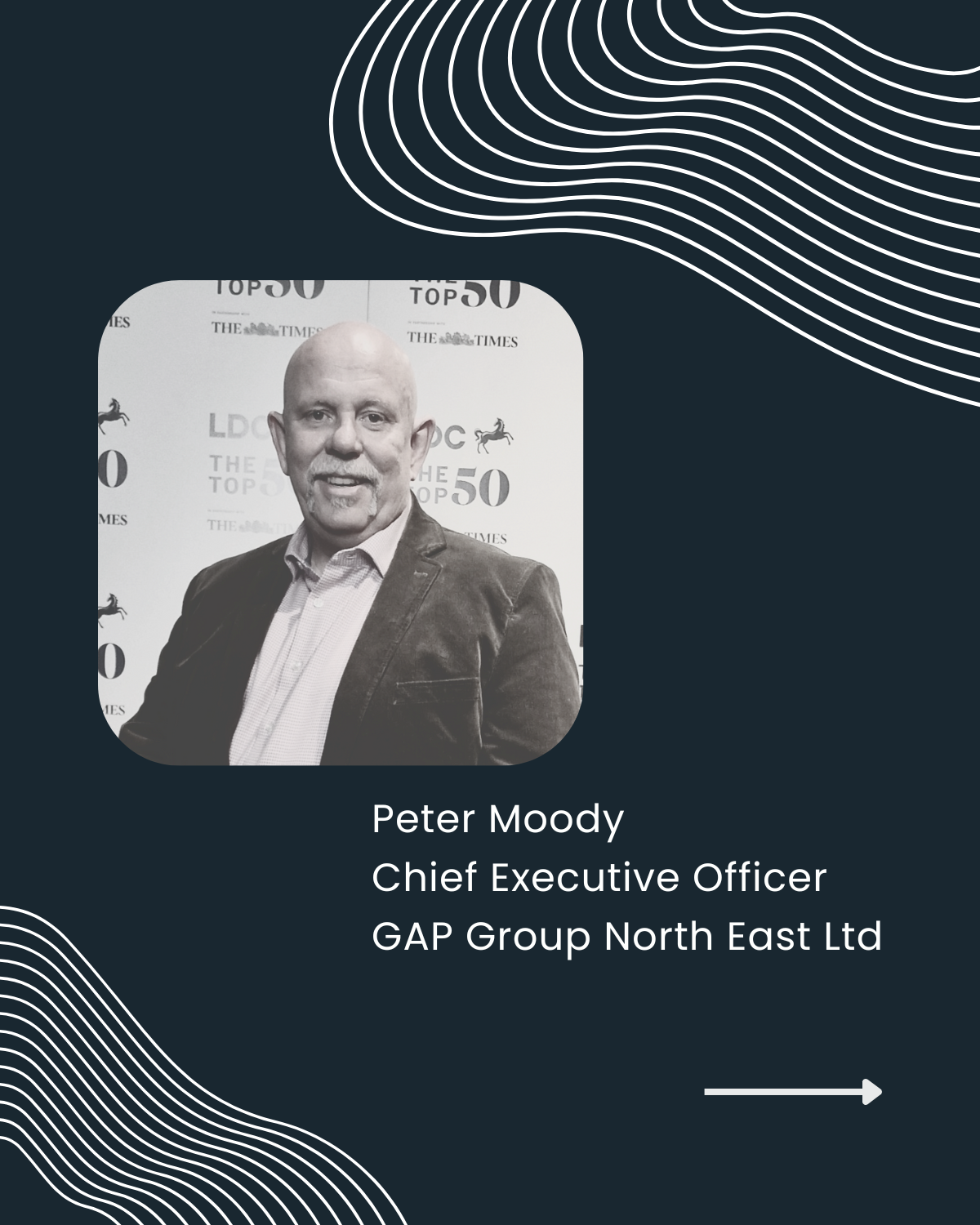
GAP Group was founded in 2005 to support the WEEE directive. How has your mission evolved since then, and how do you ensure the company stays aligned with its founding environmental purpose?
The original purpose of preventing electricals from ending up in landfill still sits at the heart of the business today. Over time the mission has evolved from simply being compliant to actively driving a circular economy, where more of the materials and products we handle go back into productive use rather than being treated as waste. We look to offer our clients a truly 360 solution whereby waste comes through door and products go out the door.
To stay aligned with that founding environmental purpose, as a group we continually reinvests in treatment infrastructure, such as WEEE and copper granulation plants, and now multiple fridge processing facilities, so that materials are recovered to a very high standard. Being an Approved Authorised Treatment Facility and holding leading certifications like WEEELABEX for fridges means that environmental performance is independently audited and that external scrutiny keeps the whole team focused on doing the right thing, not just the minimum.
The electrical waste sector is highly regulated and constantly evolving. What do you see as the biggest operational and regulatory challenges today, and how does GAP Group navigate them?
The electrical waste sector has become more complex as regulations tighten around producer responsibility, treatment standards, and carbon impact, so one of the biggest challenges is keeping ahead of those changes while still running efficient, commercially viable operations. There is also a practical challenge in handling a rapidly changing waste stream, everything from vapes to large appliances and ensuring each category is processed safely and compliantly.
We navigate this by combining in‑house technical expertise with ongoing investment in best available technology, so the plants are built to current and anticipated standards rather than yesterday’s rules. Long‑term partnerships with local authorities, retailers and producer schemes also help, because that dialogue gives early visibility of upcoming regulatory shifts and allows the business to plan and adapt rather than react.
Essentially, we look to see where legislation is taking the industry and then try to put solutions in place for our clients.
Processing items like fridges, batteries, and lighting requires sophisticated technology. How is GAP Group leveraging innovation or new technologies to improve recycling efficiency and reduce environmental footprint?
We handle some of the most complex waste streams to deal with, so the group has put a lot of capital into purpose built plants that maximise recovery and minimise emissions. For example, our Gateshead site operates one of Europe’s most efficient fridge processing lines, capable of handling hundreds of thousands of units a year while safely capturing both the physical materials and the refrigerant gases.
Innovation for GAP is not just about shiny kit, it is about integrating processes so that plastics, metals and other fractions from WEEE can be cleaned, segregated and moved straight into reuse or manufacturing feedstock. The development of the wider group including specialisms like polymers and organics allows more of the value chain to be kept in‑house, which improves traceability, reduces transport and cuts the overall environmental footprint per tonne processed.
Our operations generate substantial environmental benefits through comprehensive WEEE processing. Based on the enhanced capacity of 1.3 million fridges annually (91,000 tonnes), GAP Group achieves CO2 savings of approximately 108,563 tonnes annually. This environmental impact equates to removing 25,910 cars from UK roads annually or establishing 417.6 km² of new forest coverage.
Across all WEEE streams processed, we save 141,800 tonnes CO2 annually, representing one of the most significant private sector contributions to UK carbon reduction objectives.
You are now recognised as one of the UK’s most trusted collectors of electrical waste. What strategies have helped build that reputation, and how do you maintain trust with local authorities and clients?
Trust has really come from doing what was promised, consistently, over a long period of time and across the whole of the UK. Being one of the most trusted collectors of electrical waste from civic amenity sites and commercial clients has its roots in reliability of service, transparent reporting and the reassurance that everything is being treated at certified, audited facilities.
To maintain that trust with local authorities and clients, we back up our commitments with data, certifications and open communication, whether that is around recycling rates, compliance documentation or site visits.
The family‑business culture is also important, decision makers are accessible, relationships are long‑term and people know that when something needs sorting, it is handled quickly and professionally rather than passed down a chain.
Looking ahead, what are the key growth opportunities for GAP Group in the UK’s electrical waste sector, and how do you plan to capitalise?
The UK is only part‑way through the transition to a genuinely circular model for electrical waste, so there is still significant growth ahead in higher‑quality recycling, liberation of Rare Earth Metals, reuse and refurbishment.
As product design, regulation and consumer expectations move in that direction, there is an opportunity for operators with the right infrastructure to capture more value and achieve better environmental outcomes at the same time. However, we need a level playing field and that needs to be policed by the authorities (Environment Agency and Defra).
For us, growth is about deepening national coverage and expanding specialist capacity, which is why the business is investing in additional fridge processing in Scotland, liberation of specific materials (copper, gold, nickel etc) whilst we broaden our service offering through divisions such as GAP Renew, GAP Alba and GAP Urban Metal Recycling.
There is also scope to do more in partnership with manufacturers, retailers and reuse organisations so that, wherever possible, an item or component gets a second life before it is finally recycled.
As CEO, what leadership lessons have you learned from guiding GAP through the evolving waste management landscape and how do they shape your approach to the business today?
I had a bit of a head start to be truthful, coming from a 23‑year career in the Royal Navy Submarine service into a highly regulated, safety critical industry, one of the big leadership lessons has been the value of discipline and standards, but balanced with entrepreneurial agility.
The sector never stands still, whether it is commodity prices, new waste streams or regulation so leading GAP has meant building teams and systems that can adapt quickly without compromising on safety or environmental performance.
Another lesson is that culture really does drive results, investing in people, training and clear communication has created a workforce that takes pride in doing the job properly, which in turn underpins both compliance and customer service.
Finally, the journey has reinforced the importance of long‑term thinking. Many of the big wins, like market leading plants and national partnerships, came from decisions made years earlier to reinvest and back the vision.