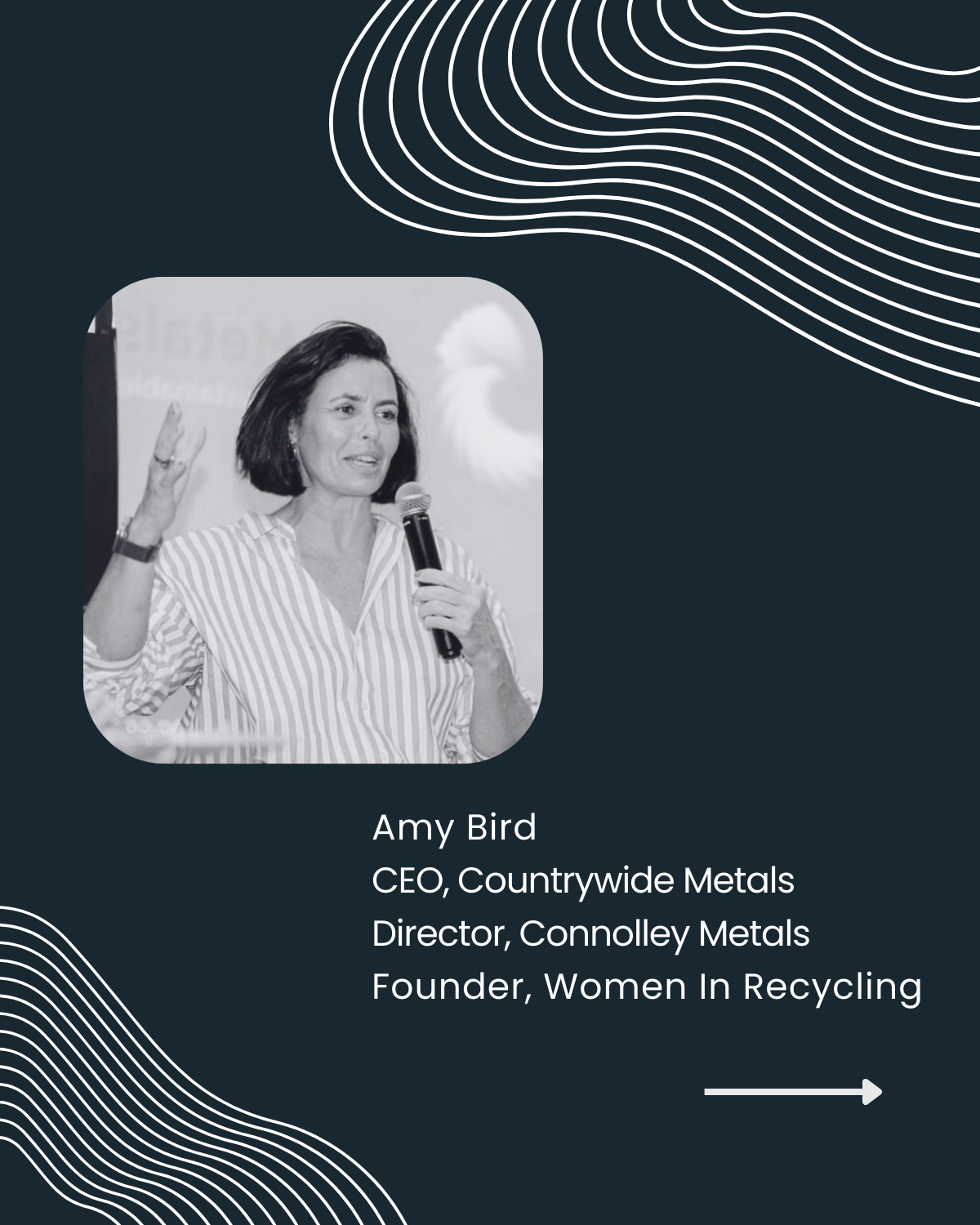
With the recent news regarding CF Booth, how do you see the current challenges facing UK metals recyclers and how can the industry adapt to survive and grow?
My roots are in a family recycling business founded by my father in 1977, a company we ultimately had to close , so I understand how devastating this is. The loss of CF Booth, a proud family firm built on decades of hard work and expertise, is heartbreaking for the Booth family and deeply concerning for our industry.
There is much speculation about the causes, but the reality is that over the last decade recyclers have been forced to absorb change at an extraordinary pace. Since 2016, the copper market has risen by over 165%, yet rising prices do not mean higher margins. Costs increase in parallel, from purchase prices and finance to insurance and compliance.
This is compounded by some of the highest industrial energy costs in the world, wage increases of around 40% over the past decade, and insurance premiums that in some cases have doubled due to lithium-ion battery fires, risks created by products designed without proper consideration for end-of-life.
Recycling is critical to economic growth, re-industrialisation, net zero and the AI transition. If the UK wants this industry to survive, it needs practical government support, not ever-increasing regulation that pushes well-run businesses to breaking point.
You were introduced to the scrap metal world at a young age, working in your father’s yard. What did those early experiences teach you and how did they shape your approach to leadership and business in a male-dominated industry?
I grew up in the yard, surrounded by noise, pressure and real responsibility. From a young age I learned that respect in this industry isn’t given — it’s earned through consistency, fairness and doing what you say you’ll do.
Those early years taught me to stay calm under pressure and to understand a business from the ground up. As a woman in a male-dominated industry, I learned quickly that credibility matters more than confidence alone. You have to know the detail, trust your judgement and stand by your decisions. That foundation shaped how I lead today.
Throughout your career, you’ll have undoubtedly faced both highs and lows. Can you share a particularly difficult moment for you in the industry and how you navigated it?
One of the hardest moments in my career was the failed sale of my business, One Stop Recycling, in 2020. What should have been a positive transition became a deeply painful period involving court, uncertainty and the sudden loss of the life I had built.
I was effectively prevented from working in the industry I’d grown up in. Overnight, I went from running a complex operation to being unable to do the one thing I knew how to do, work, while still needing to support my family and keep everything together.
Looking back, part of that experience was recognising where my own ego played a role. I wanted to believe in the vision and the momentum. I didn’t pause long enough to challenge what sat underneath it, and I trusted ambition over instinct. That’s a hard lesson, but an important one.
Going through court stripped everything back. It taught me humility, resilience and the importance of structure, boundaries and independent advice. It fundamentally reshaped how I lead — more grounded, more deliberate and far clearer about what I say yes to.
Women in Recycling has gained incredible momentum. What inspired you to start this and what do you see as the biggest barriers and opportunities, for women in the metal recycling industry today?
Women in Recycling grew directly from lived experience, not just from being a woman in a male-dominated industry, but from learning through both success and failure. It reflects the real journey of navigating complex workplaces where the rules aren’t always clear and where the path forward often requires courage, insight, and support.
Too often, women are encouraged to push ahead without being given the tools or guidance to do so safely and effectively. The opportunity now is to change that, to pair ambition with resilience, confidence with clarity and drive with understanding. Women in Recycling exists to make that possible: to equip women with the knowledge, networks, and strategies to not only advance but to lead with purpose and impact.
How do you see the scrap metal industry evolving to support global sustainability and circular economy goals?
Scrap already sits at the heart of the circular economy, but the industry is being called to step up to an even bigger role. The challenge and the opportunity, lies in smarter processing, better use of data, and stronger domestic supply chains.
Recycling today is no longer just about waste management; it is about resource security, industrial resilience, and sustainable growth. Those who take a long-term, responsible approach, investing in innovation, transparency, and collaboration will not only succeed, but define the future of the industry and the circular economy itself.
You emphasize the importance of strong professional relationships when it comes to trading. What are your key strategies for successful negotiations and long-term partnerships?
Trust matters, the best price is not always the best price. Long-term partnerships are built on honesty, consistency and respect, especially when markets are volatile.
I negotiate firmly but fairly and value relationships that survive difficult conversations. Integrity is tested under pressure and that’s where real partnerships are formed.
Leading large teams in a multi-faceted industry is no small feat. What leadership lessons have you learned that could benefit other leaders in industrial sectors?
Clarity is more powerful than control. People perform at their best when they understand the why, not just the instruction. True leadership lies in creating understanding, alignment, and direction, not in micromanaging every step.
I’ve also learned that strength and humanity can coexist. Leadership isn’t about having all the answers, it’s about providing stability, fostering trust, and empowering others to navigate uncertainty with confidence. The most lasting impact comes from guiding with purpose, listening with intent, and showing up with both resolve and empathy.
For young professionals, particularly women, looking to enter metal recycling or the broader recycling landscape, what advice would you give to help them thrive while avoiding pitfalls you’ve experienced?
Learn the fundamentals and don’t rush past the detail, confidence is built in the spaces others may overlook. Ask questions, immerse yourself in your industry, attend events and cultivate a network; most people are eager to share their knowledge. Trust your instincts and remember that momentum is not the same as security.
Protect your energy and set boundaries early. You don’t need to burn out to prove your worth. True resilience grows through experience, through navigating challenges and through learning from mistakes, not through striving for perfection.
Between running businesses, weightlifting, family and building Women in Recycling, how do you maintain balance and what role does personal passion play in professional success?
Balance, for me, is about alignment. Weightlifting grounds me, family keeps me anchored, and Women in Recycling gives purpose beyond profit. These passions don’t distract from my work, they sustain it.
When you are physically strong, mentally grounded, and connected to your purpose, your leadership is clearer, steadier and more resilient. Endurance matters not just in work, but in life, in relationships and in the impact you seek to create.